
A website alone is not enough to achieve strong search rankings. Without proper optimization, even high-quality content can struggle to perform. Technical SEO plays a crucial role in ensuring that your website is fast, accessible, and easy for search engines to understand. When combined with effective digital marketing services, it becomes easier to improve your website’s performance and visibility. This checklist will help you identify and fix key technical issues.
What is technical SEO?
Technical SEO refers to optimizing the backend structure of your website so that search engines can easily crawl, index, and rank your pages. It focuses on improving performance, accessibility, and overall site health.
Unlike content SEO, technical SEO deals with things like:
- Website speed
- Mobile-friendliness
- Site architecture
- Security (HTTPS)
- Indexing and crawling
A strong technical foundation makes all other SEO efforts more effective.
Why is technical SEO important?
Technical SEO ensures that your website works properly for both users and search engines. If search engines cannot access or understand your website, your rankings will suffer.
Key benefits include:
- Better search engine visibility
- Faster website performance
- Improved user experience
- Higher rankings and traffic
- Reduced bounce rates
Ignoring technical SEO can limit your website’s growth, no matter how good your content is.
How to ensure your website is crawlable and indexable?
Search engines use bots to crawl your website. If they cannot access your pages, those pages will not appear in search results.
Checklist for crawlability:
- Create and submit an XML sitemap
- Use a clean and structured robots.txt file
- Fix broken links and errors
- Avoid blocking important pages
Checklist for indexability:
- Ensure important pages are not set to “noindex”
- Use canonical tags correctly
- Avoid duplicate content issues
These steps help search engines understand and list your content properly.
How to improve website speed and performance?
Website speed is one of the most important Google ranking factors. A slow website can lead to higher bounce rates and lower rankings.
Ways to improve speed:
- Optimize images and reduce file sizes
- Use browser caching
- Minimize CSS and JavaScript files
- Use a reliable hosting service
- Enable content delivery networks (CDN)
Tools like Google PageSpeed Insights can help identify performance issues.
Why is mobile-friendliness essential?
Most users browse websites on mobile devices. Google also uses mobile-first indexing, meaning it primarily evaluates the mobile version of your site.
Mobile optimization checklist:
- Use responsive design
- Ensure fast loading on mobile
- Avoid pop-ups that block content
- Use readable font sizes
A mobile-friendly site improves both user experience and rankings.
How to optimize your site structure and URLs?
A clear website structure helps both users and search engines navigate your content easily.
Best practices:
- Use simple and clean URLs
- Organize content into logical categories
- Use internal linking effectively
- Keep important pages within a few clicks
Example of a good URL:
yourwebsite.com/seo/technical-seo-checklist
Avoid long and confusing URLs with unnecessary characters.
Why is HTTPS important for SEO?
Security is a ranking factor. Websites without HTTPS are marked as “not secure,” which can reduce user trust.
Steps to secure your site:
- Install an SSL certificate
- Ensure all pages use HTTPS
- Redirect HTTP URLs to HTTPS
Secure websites not only rank better but also build user confidence.
How to fix technical errors and broken links?
Common issues to fix:
- 404 (page not found) errors
- Redirect chains and loops
- Broken internal and external links
- Server errors
Regular site audits help identify and fix these problems quickly.
What is structured data and why does it matter?
Structured data helps search engines understand your content better. It can also improve your appearance in search results through rich snippets.
Examples of structured data:
- Product details
- Reviews and ratings
- FAQs
- Events
Using schema markup can increase click-through rates and visibility.
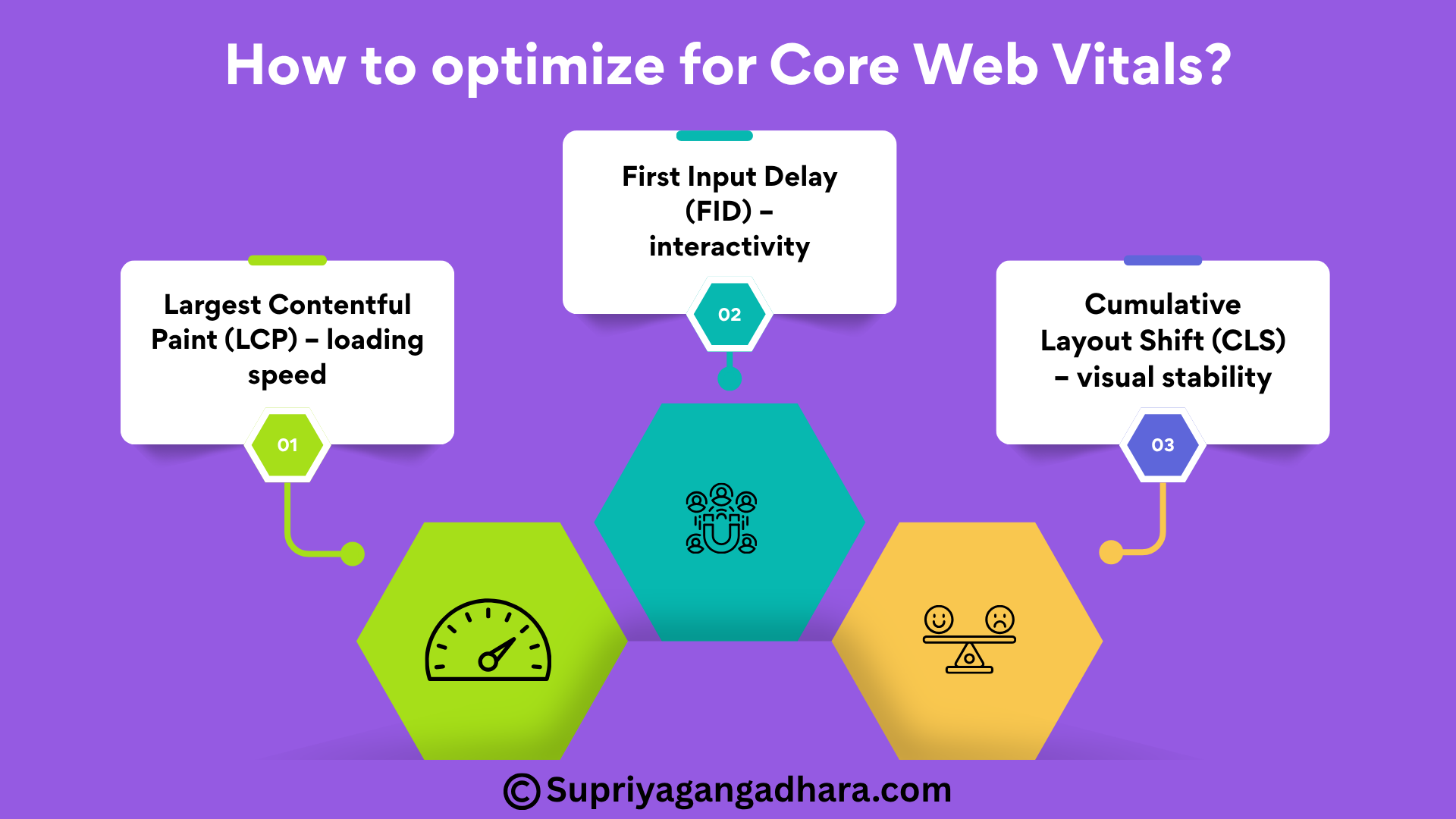
How to optimize for Core Web Vitals?
Core Web Vitals are key performance metrics used by Google to measure user experience.
Important metrics:
- Largest Contentful Paint (LCP) – loading speed
- First Input Delay (FID) – interactivity
- Cumulative Layout Shift (CLS) – visual stability
Improving these metrics ensures a better experience for users and better rankings.
How to perform a technical SEO audit?
Steps for a basic audit:
- Check crawl errors in Google Search Console
- Analyze site speed and performance
- Review mobile usability
- Inspect indexing status
- Fix duplicate content issues
Performing audits monthly or quarterly helps keep your website optimized.
What are the common technical SEO mistakes to avoid?
- Ignoring mobile optimization
- Using slow hosting services
- Not fixing broken links
- Blocking important pages in robots.txt
- Duplicate content problems
Fixing these can significantly improve your SEO performance.
Conclusion
Following a proper technical SEO checklist is essential for building a strong online presence. It ensures that your website is fast, secure, and easy for search engines to understand.
By focusing on crawlability, site speed, mobile-friendliness, and regular audits, you can create a solid foundation for long-term SEO success. Technical SEO may seem complex at first, but with consistent effort and regular monitoring, it becomes a powerful tool to improve rankings and drive organic traffic.